
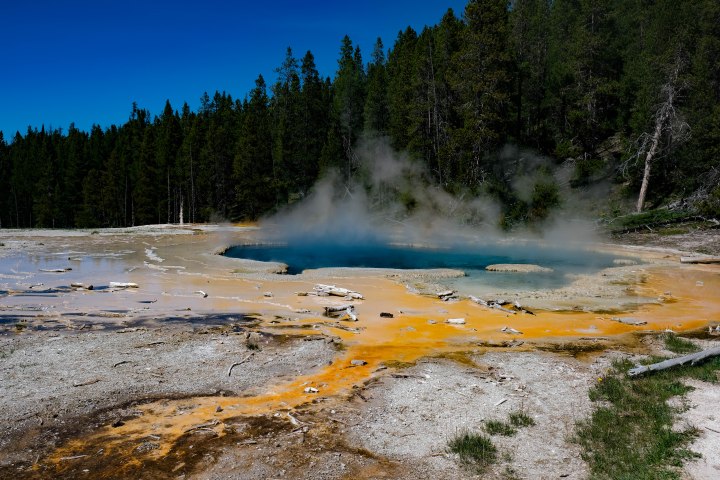
Hello 2022! We’re back on the blog after a bit of a hiatus. We’re working on content for the year and wanted to start with a more COVID-friendly trip idea for you guys. (Can COVID be over now? Thanks.)
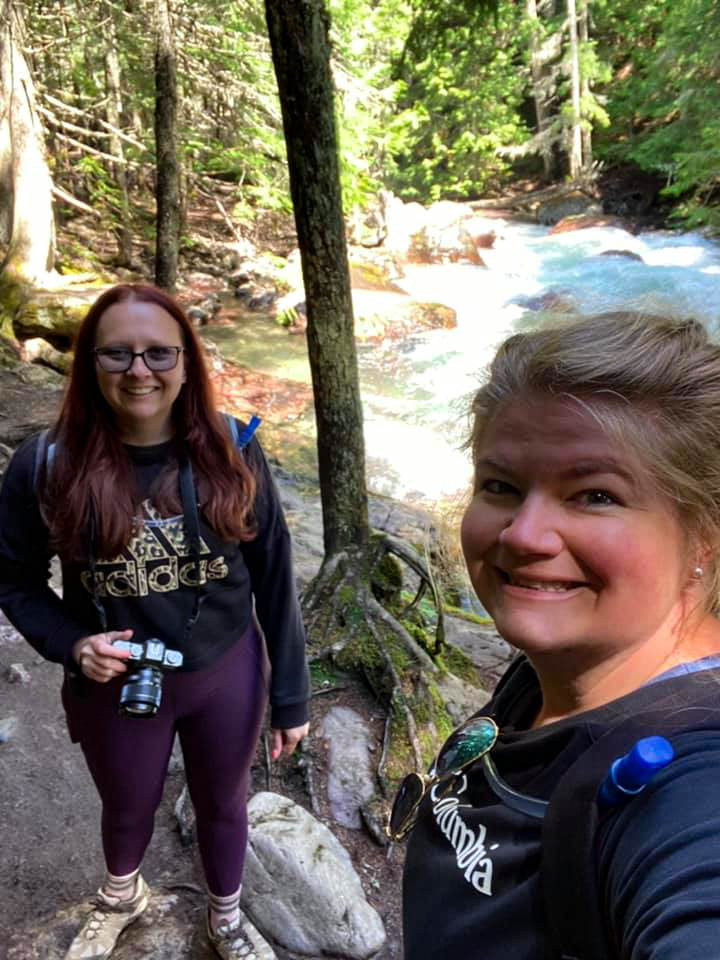
This past June, we ventured out West on a 14-day* road trip through South Dakota, Wyoming, & Montana (and a tiny bit of Idaho). Our goal was to visit several national parks and monuments, as well as whatever else we came upon along the way. After doing a lot of research and working tirelessly on our itinerary, our plan fell into place and we took off. Things didn’t always go exactly to plan, but we ended up having a great trip and were able to see a ton of beautiful scenery and wildlife. So now we’re here to share our itinerary with you all to help you plan your own trip.
Just a few notes before we begin… First, *our 14-day trip included 1 1/2 days for travel to and from the area. Second, we rented a car but did not pick it up until day 2 of our trip.
Before You Go
There are a couple of important things to consider before you head out on this road trip:
Buy a National Park Pass. Almost every park we visited on this trip was on the NPP. You can purchase this pass online ahead of time or purchase it at most of the parks. We had intended to purchase ours ahead of time not realizing they have to mail you an actual physical card. By the time we went to order, we didn’t have enough time to wait on them to mail it to us. We ended up purchasing our pass at our first stop, Badlands National Park. If you plan to purchase at a park, make sure the first park you visit sells the passes since not all of them do. The passes are $80 and are good for one year. For reference, it costs approximately $35 per car per park for general entry. Typically these passes are only good for 7 days. If you are visiting multiple parks, we definitely recommend the park pass.
Book your hotels at least six months to a year in advance. If you want to stay inside any of the parks (Yellowstone is a popular one), you will want to book as soon as possible. These reservations go quick and are usually booked up more than a year in advance. We stayed outside of each park because A) it was cheaper and B) we couldn’t get reservations in the park even if we’d wanted to (we tried at Glacier). And we started booking six months in advance. The hotels in neighboring towns also get booked up quickly.
If you are renting a car, make sure to get that reservation made asap. Rental cars are also a hot commodity, especially near Yellowstone. At one point, the cheapest we could find a car was $8,000 for two weeks. We could have bought a car for less. Even once we found a way around these exorbitant prices, we still paid much more than expected. Our rental car was by far the greatest expense of our trip (almost $1,800) even beating our flights by $450. If you can, try picking up your car at a store location instead of the airport. This is what we had to do to get the price down and is the main reason we did not have a rental car on day 1 of our trip.
Pack as light as you can since you will be on the move a lot. See our suggested packing list here.
If you want to mark your visit to each park, grab a National Park Passport Book. They have various kinds so you can pick the best one for you. We bought ours at Badlands, but you can get them from most parks or online ahead of time. Stop in at each park’s visitor center to stamp your passport book with the date of your visit. If you want to dress it up even more, you can also buy “stamps” in the gift shops to fit in your book.
Day 1- Sioux Falls, SD
Things to Do and See: Falls Park, Greenway Trail, SculptureWalk
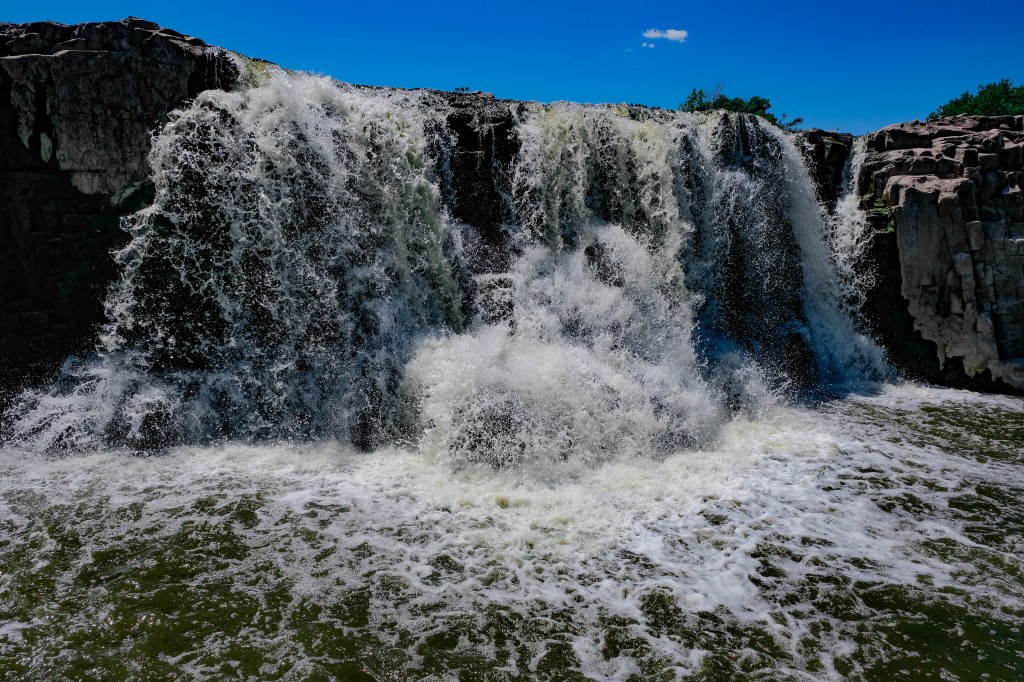
On the advice of other travel bloggers, and because we found out about a place called the Corn Palace (see day 2), we decided to start our trip in Sioux Falls. The largest city in South Dakota (population just under 196,000) is home to Falls Park, where the Big Sioux River runs over pink quartzite creating multiple waterfalls. (For those Supernatural fans out there, Sioux Falls is where Jody lives.) Definitely stop in and check out Falls Park. The park is free to visit and sometimes you may even get to see military planes from the local base flying overhead.
The Greenway Trail is a paved path that is largely used for biking. We were two of maybe four people we saw walking on the trail. Most people were biking, from both directions, so we really had to watch out and step off the trail quite a few times. If you do love to bike, this would be great for you. The Greenway makes a loop around Sioux Falls and even goes by the airport.
Take a little time to stroll through downtown where you can experience the SculptureWalk, the largest public sculpture exhibit in the world. Each year, they feature 60 plus sculptures made by many talented artists.
Spend tonight in Sioux Falls. We stayed at the Aerostay Hotel at the airport since we didn’t have our rental car quite yet.
Tips: It is very difficult to find ride shares in this area. We had to wait over an hour for our first ride and actually had the same driver twice in two days, which has never happened to us before. Make sure to plan accordingly if you need to take an Uber/Lyft at any point.
Day 2- Sioux Falls – Corn Palace – Badlands – Rapid City
Driving Time: 5 hrs
Things to Do and See: Corn Palace, Badlands National Park, Wall Drug
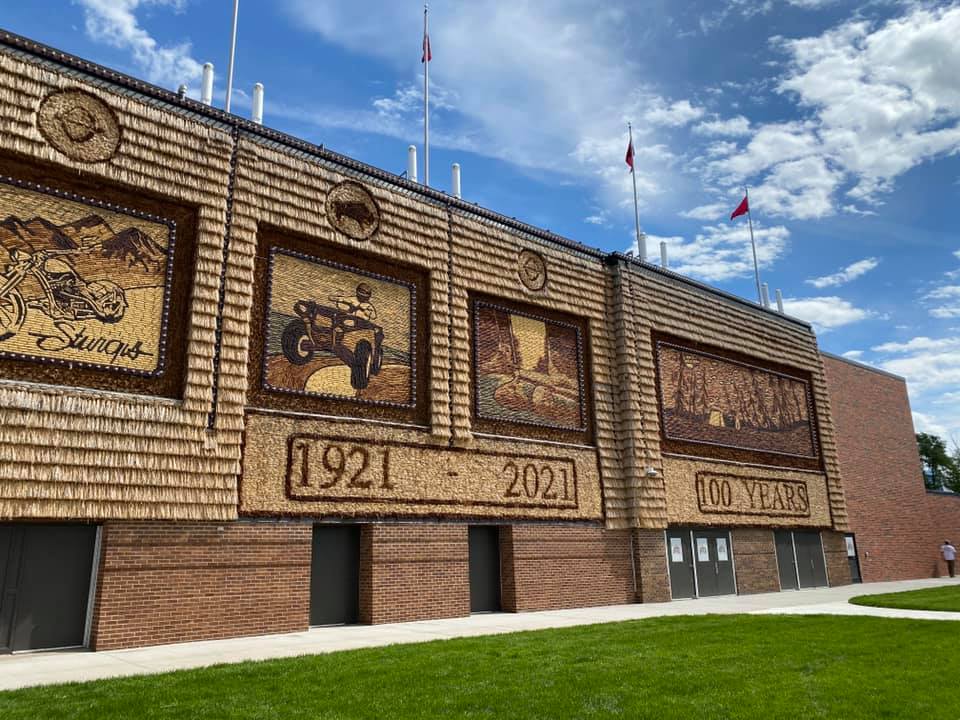
On your way to the Badlands, stop off at the world’s only Corn Palace in Mitchell, SD. Here you can learn about the history of the venue, which is also used for basketball games and concerts, and view the everchanging art made from…you guessed it…corn. The outside is redecorated each and every year with a different theme. And of course they have a plethora of corny gifts in their giftshop.
While you’re here, stop off for lunch before heading out to Badland’s National Park. The Badlands is one of the most unique places we have ever been. Parts look almost like a wasteland, in the best way. It’s brilliant rock formations and spires are truly a site to behold. We spent several hours here hiking some of the most popular trails. Definitely check out The Door Trail and Window Trail. Both are short hikes through the beautifully rugged terrain. For more of an adventurous hike, take the Notch Trail up to an overlook for more great views. It is only 1.5 miles round trip, but is strenuous at times. At one point, there is a ladder on the side of the mountain to climb. Hiking boots are recommended for this trail though we did it in walking sandals. It is also a bit treacherous in the rain (it started raining on us on our way back so we had a slightly nerve-wracking climb back down that ladder). At sunset, stop in at the Pinnacle Overlook for more amazing views. Overall, we had a great time seeing the sites in this park.
Side note- For some reason, our GPS took us through a random dirt road entrance to this park where we encountered no gates or people. We did the honorable thing and stopped by the actual front gate to purchase our park pass. It worked out but we were a bit worried about our rental car on that dirt road. If your GPS sends you down a dirt road, you may want to find another route.
Also important to note is that Badlands National Park does not have any restaurants. Make sure to either bring a lunch with you or grab food before you go. You can find places to eat (including Wall Drug mentioned below) outside of the North entrance.

If you have time, exit the Badlands through the North entrance and head over to Wall Drug. By this point, you will have seen approximately 8,000 signs for this place. If you’ve never been, it will seriously have your attention (the road sings are clever). Stop in for a cup of 5 cent coffee, donuts and free ice water. We wouldn’t necessarily recommend going out of your way to visit Wall Drug but, if you’re in the area, it’s worth a stop.
Rapid City is a good place to check in for the next two nights. (We stayed at the Rockerville Lodge and Cabins, though there are tons of places to stay in this area.) This is a nice central point for the Badlands and the Black Hills. If you want to skip the visit to Sioux Falls and the Corn Palace, Rapid City is a great place to start your trip.
Day 3- Rapid City
Today, if you need more time, you can head back to the Badlands (an hour drive one way). Or, you can do like we did and explore Rapid City.
Things to Do and See: Bear Country USA, President Walk
For a family friendly adventure, check out Bear Country USA. It is a drive thru park where you can see bears, elk, wolves and more roaming freely. At the end of the drive, you can also visit their small “zoo” area to see bear cubs and other, smaller, animals.
Afterwards, head downtown and check out the President’s Walk. At the corner of every street, you will find a statue of a US president. We turned it into a game, trying to guess each one before we looked at the plaque. This is a great way to walk off lunch and window shop at the many stores that line each side of the street.
Day 4- Rapid City – Black Hills – Hot Springs, SD
Today, you’ll head out for the Black Hills.
Driving Time: 1 1/2 hours (not including driving through Custer)
Things to Do and See: Mount Rushmore, Crazy Horse Memorial, Custer State Park
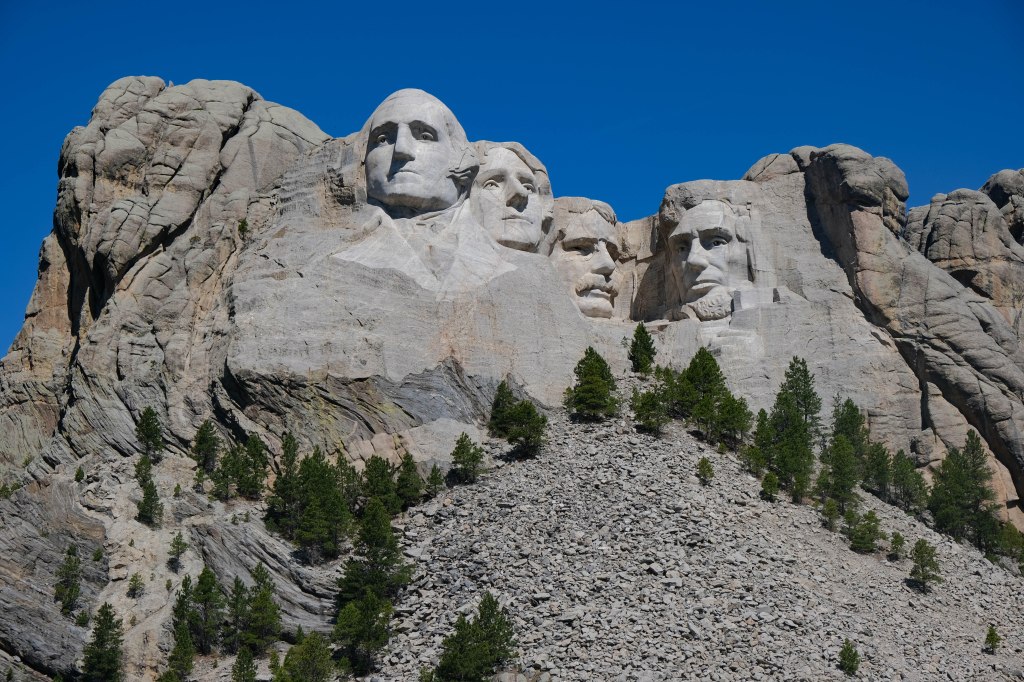
Begin the day by visiting the famous Mt. Rushmore and posting photos to Instagram along with an assortment of Hamilton jokes (must be nice to have Washington on your side). Then head over to the nearby Crazy Horse Memorial where you will learn the history of Crazy Horse and why they are still working on finishing this memorial even today. (Once completed, it will be the biggest memorial in the world.)
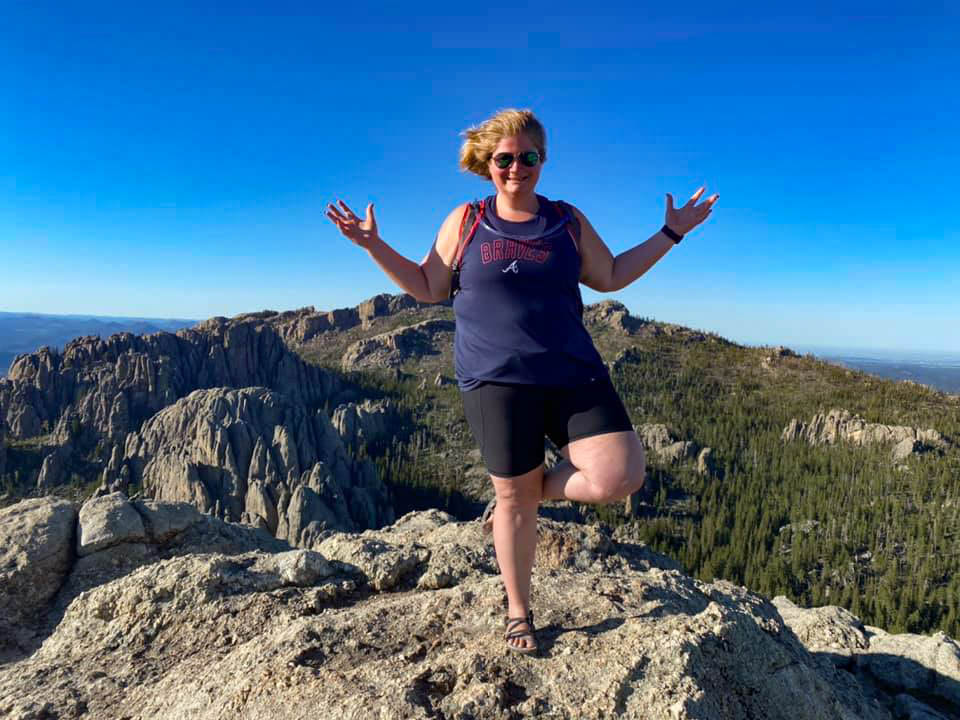
On the advice of another travel blogger, we decided to spend our afternoon/evening at Custer State Park and man was it an adventure. Take a drive on Needles HWY through 8x10ft tunnels on your way to Sylvan Lake. Spend some time relaxing at this beautiful lake, rent a kayak or hike the short 1 mile loop on the Sylvan Lake trail. If you’re interested in more hiking, check out the Cathedral Spires on a more moderate hike. And, if you are really feeling yourself like we apparently were, set out on the Little Devil’s Tower trail. The hike is only 3 1/2 miles but is one of the most, if the not the most, strenuous hikes we have ever been a part of. The views are incredible though. Also, yes, we also did this one in sandals.
Tip- Beware bison traffic jams, especially at dusk. The park does offer bison tours but, if you’re not careful, you’ll accidentally take your own tour. Not a great idea in a rental car.
Head South out of Custer and spend tonight in Hot Springs, SD. Hot Springs is closer to tomorrow’s destination, Wind Cave National Park.
Day 5- Hot Springs – Wind Cave – Devil’s Tower – Casper, WY
Driving Time: 5 hours
Things to Do and See: Wind Cave National Park (cave tour), Devil’s Tower Monument
Get up early this morning and head to Wind Cave National Park. The cave tours sell out very quickly and they only offer a limited number each day, so it is important to get in line as soon as you can. It is well worth getting up early to see these spectacular natural wonders.
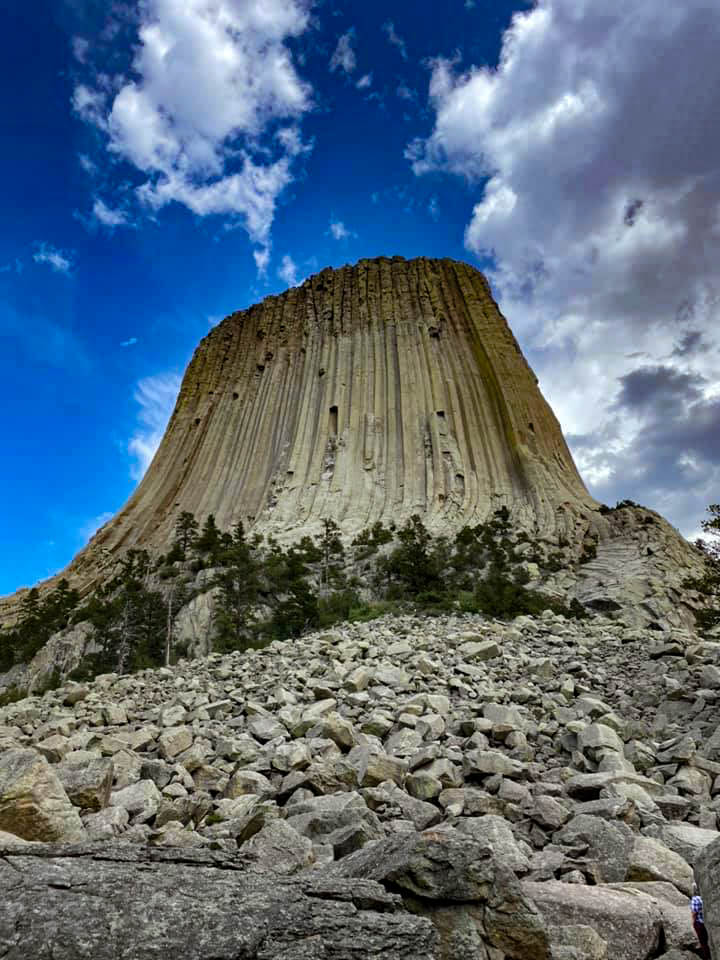
Unless you want to spend more time exploring this park, it’s time to hit the road for Wyoming. Head over to the Devil’s Tower Monument, the oldest US national monument. Take the Tower Trail all around the base for a 360 view of the tower. The trail is only around a mile, but there are plenty of places to pull off and sit if you need a break. Along the way, learn the history of the tower and all of the theories surrounding it.
Stop off for the night in Casper, WY. It is about halfway between Hot Springs and Grand Teton and saves you from an even longer day of driving. For lodging, check out the cleverly named C’mon Inn. You won’t regret it.
Day 6- Casper – Independence Rock – Grand Teton – Victor, ID
Driving Time: 5 1/2 hours (not including driving through Grand Teton)
Things to Do and See: Independence Rock, Grand Teton National Park
For all of you 90’s kids out there, take a slight detour on your way to Grand Teton and visit Independence Rock. It’s actually at a rest stop and you can take yourself on a self-guided tour up to and, if you so desire, around the rock. It is a bit of a walk all the way around (we only went partway because the grass was overgrown and we saw a snake). As Wynonna Earp fans, we made it our mission to find Doc Holliday’s name on the rock. Stories say that he, along with many other early pioneers of the area, would use the rock as a guiding point and many carved their names in the stone. Don’t worry, chances are low that you will die of dysentery (snake bite on the other hand… just be careful).
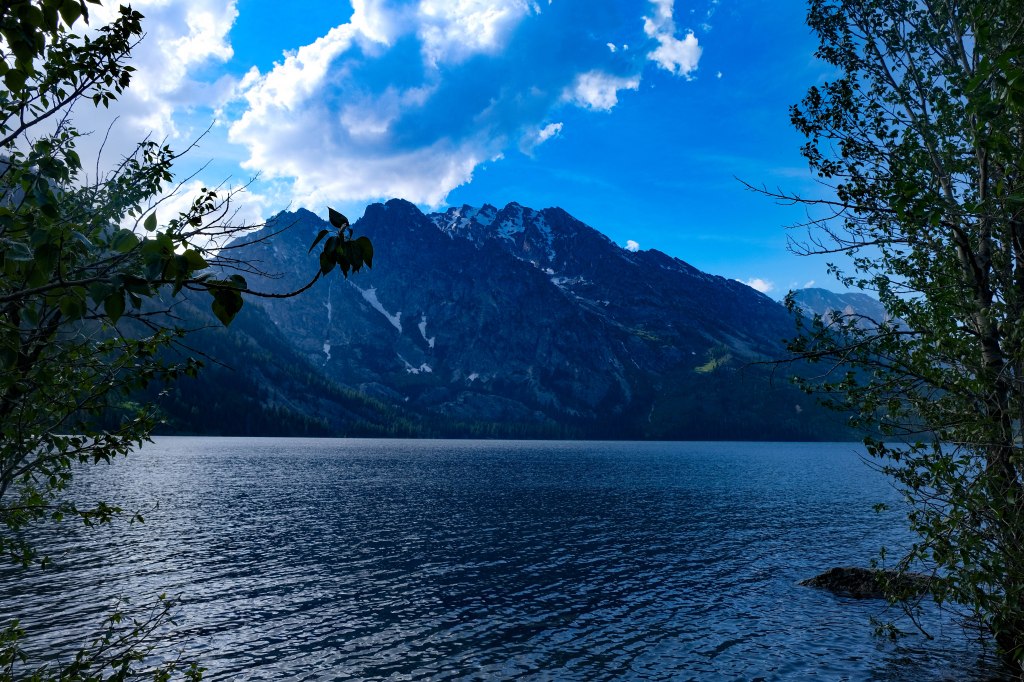
When you arrive at Grand Teton National Park, spend the afternoon checking out the Jenny Lake Visitor’s Center and picking up maps and tips from park rangers. From the visitors center, walk the short distance to Jenny Lake.
Tip: If you plan to do a lot of hiking, we would highly recommend purchasing bear spray. We bought ours at Grand Teton and carried it with us to Yellowstone and later to Glacier. Luckily, we did not have to use it (nor did we encounter a bear) but better safe than sorry. This, as they say in all of their signage, is bear country.
There are several options of where to stay in and around Grand Teton. We chose to stay about 45 minutes away in Victor, Idaho. Though it seems far, it really is one of the closest places outside of the park and we enjoyed our stay in the little town. This leg of the trip, we started booking more Airbnbs and they worked out great.
Day 7- Grand Teton National Park
Things to Do and See: Hidden Falls, Inspiration Point, Cascade Canyon
Today, after breakfast, head back to Grand Teton for a day of hiking. Start by hiking to Hidden Falls, a 100ft waterfall set back in the woods. You can choose to walk around Jenny Lake or take a boat across to get to the trailhead. If you plan to take the boat, get there early or prepare to wait a while. Also, be prepared to still hike a fair bit after you get off the boat. It is a moderate-somewhat strenuous hike to Hidden Falls from the boat. Afterwards, venture up to Inspiration Point, another of the park’s most popular hikes. From here take in the magnificent views of Jenny Lake and the surrounding area. Side note- at points of this hike, you will literally be on the side of a mountain with nothing between you and the massive drop off. Use caution! Expect crowds on both of these hikes.
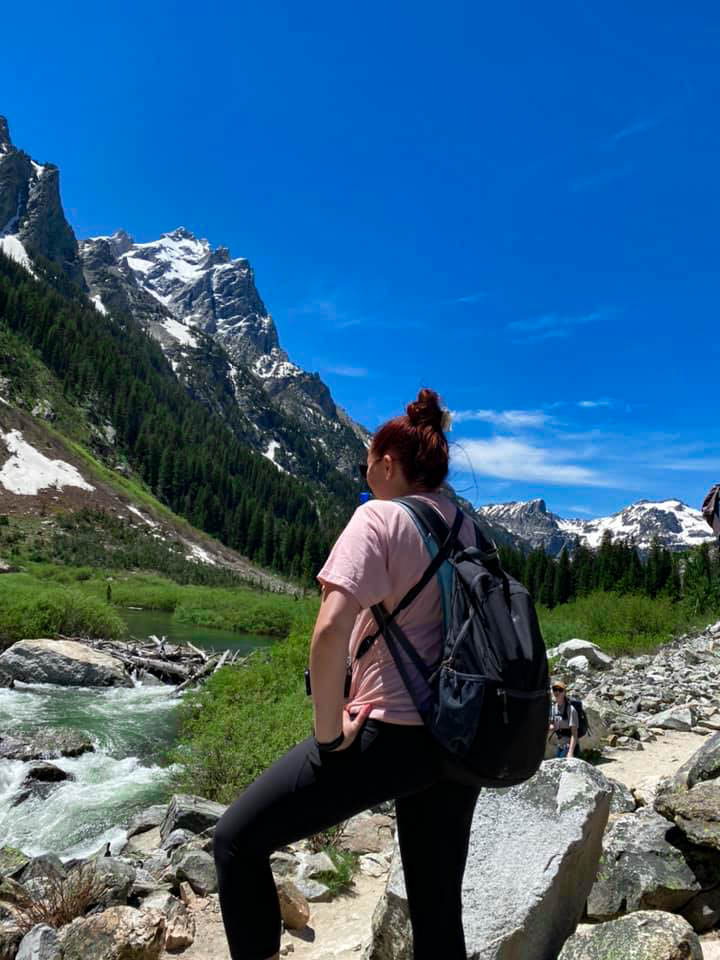
If you’re feeling up to it, set off on the Cascade Canyon Trail for more amazing views. You don’t have to hike the entire trail (9 miles) for great views either. We only walked a few miles in before heading back, but got some of the best photos of the trip.
Day 8- Victor – Yellowstone National Park
Driving Time (from Victor, ID to Yellowstone South): 1 1/2-2 hours (not including driving through Yellowstone)
Things to Do and See: Old Faithful & the Upper Geyser Basin
Yellowstone is a big place and it can take time to drive through it, much longer than we expected. (Be prepared to sit through at least one bison traffic jam.)
Begin by heading to one of, if not the most, popular places in the park: the Upper Geyser Basin. This is where you will find arguably the most famous of all geysers, Old Faithful. You can hike up to the Old Faithful observation point for an above view of the eruption. They post signs near the geyser letting you know what time it is expected to erupt. It erupts every 35-120 minutes. Afterwards, take a stroll around the entire basin. This will take you several hours if you want to see everything. The boardwalks are easy to navigate and you may see more eruptions on your way.
You have many options of where to stay in and around Yellowstone. Where you decide to stay will help dictate the next two days of your trip.
If you’re up for an adventure, consider staying in a unique place for at least one night. Yellowstone has many places to camp (though you have to make sure and secure a campsite) and you can find yurts and other similar places in and around the park. We opted to stay in a Tipi in East Yellowstone this night of our tip. It was a bit like glamping and was definitely a fun experience.
Day 9-10- Yellowstone National Park
Things to Do and See: Mammoth Hot Springs, Norris Basin, Biscuit Basin & Mystic Falls, Midway Geyser Basin & Grand Prismatic Spring, Lamar Valley
On your second and third days in Yellowstone, depending on your starting point, you’ll want to map out your best course through the park. We would suggest spending one day visiting Mammoth Hot Springs and the Norris Basin and another day visiting the Biscuit Basin and Midway Geyser Basin.
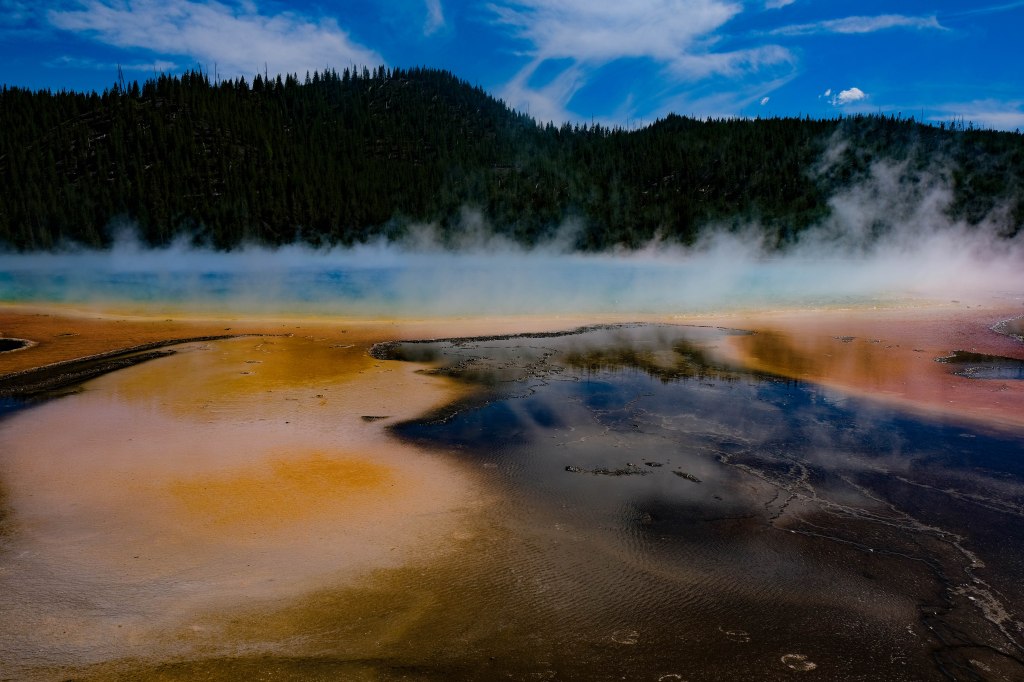
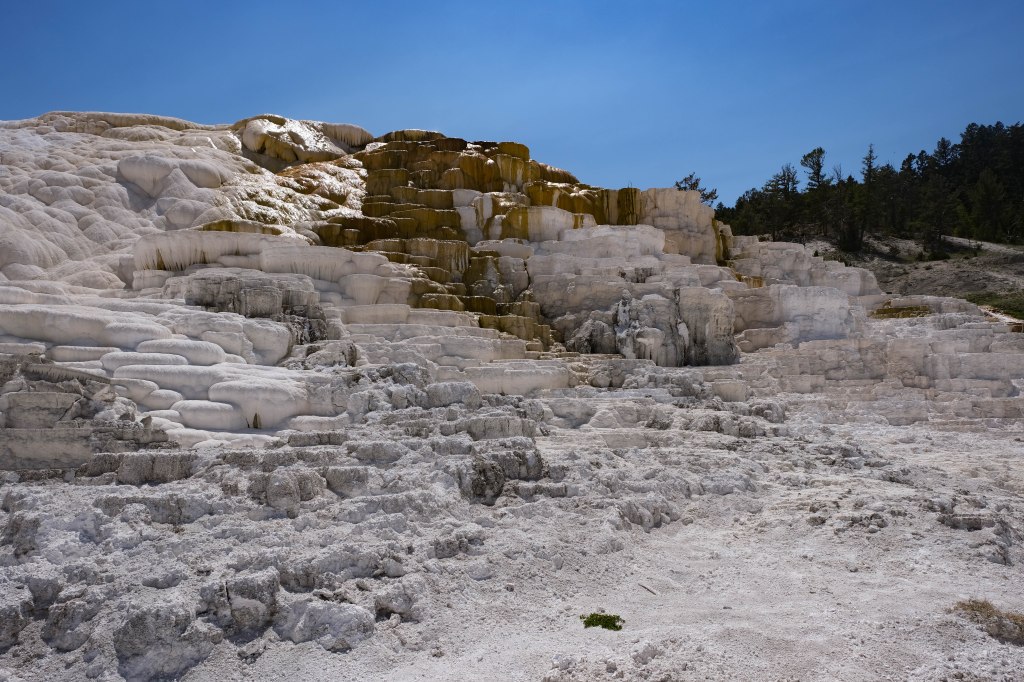
Mammoth Hot Springs can best be described, as we once read, as an inside out cave. The springs have carved out grooves in the rock and calcium deposits have collected over time giving it an ethereal look. Grab lunch at one of the restaurants nearby and then head West to the Norris Basin. Here you will find the Steamboat Geyser, the largest and most unpredictable in the park. It could erupt anywhere from 4 days to 50 years, and its eruption causes damage to its surroundings. The trees surrounding the geyser were all dead and signs warn you that an eruption can also damage the paint on your car. What will happen to a human when it erupts? We don’t know and did not want to find out.
At the Biscuit Basin, hike to Mystic Falls, the 70 ft waterfall on the Firehole River. The trail can be a bit treacherous at times, with loose rock that is easy to slide on. It is a good idea to wear good hiking shoes for this one. You may also encounter wildlife (we got screeched at by a large bird and ignored by a fox). Also, don’t forget your bug spray! And bear spray for that matter. Hop back in your car and take a drive to the Midway Geyser Basin to see the famously beautiful Grand Prismatic Spring. You can hike to the overlook (less than 2 miles) to see it from above. Expect crowds (and bison) here.
If you want to see more wildlife, schedule in some time to drive to Lamar Valley.
The next two nights, we opted to stay in West Yellowstone at the Holiday Motel. (This was a nice place aside from the shower, which apparently took note from the Steamboat Geyser and was unpredictably ice cold and scalding hot in a small time span.) West Yellowstone is a great place to stay because they have a ton of hotels, shops and restaurants.
Day 11- West Yellowstone – Hungry Horse, MT
Driving Time: 6 1/2 hours
Get ready for a day of driving. After breakfast, head out for Northern Montana. This will be your longest driving day, so we would recommend making this an early night.
Hungry Horse is a great place to stay outside of Glacier. It is within 15 minutes of the West entrance. We stayed at Beargrass Lodging & RV Park and it was great. Definitely one of our favorite places we stayed.
Day 12- Glacier National Park West
Things to Do and See: Logan Pass, Trail of the Cedars & Avalanche Lake, Lake McDonald
One important thing to note about Glacier is you have to have a ticket (separate from your park pass) to travel on Going-the-Sun-Road (the main road that runs through the park). You must purchase these online ahead of time. Also important is to check the status of road closures. Going-the-Sun-Road is only fully open for a few weeks out of the year due to snow. We were not able to make the drive to Logan Pass or East Glacier because the roads were not open yet for the season. Additionally, this isn’t just bear country, it’s grizzly bear country. Always be alert, carry your bear spray, and try to make noise while hiking in the wilderness.
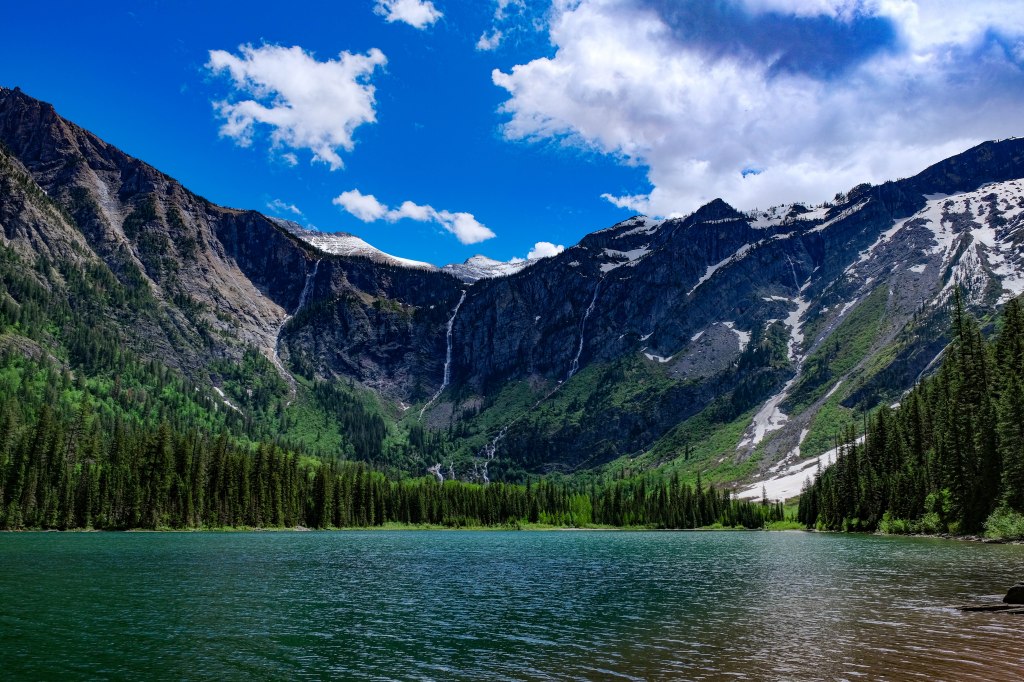
If Logan Pass is open, and you aren’t terribly afraid of heights, make the drive. If it’s not open (or heights really aren’t your thing), you can still drive past Lake McDonald to the Trail of the Cedars and Avalanche Lake Trail. The hike to Avalanche Lake is approximately 5 miles, but it is more than worth it once you reach the lake. It is one of the most stunning sites either of us have ever seen.
Day 13- Glacier National Park West – Kalispell, MT
Driving Time : 40 minutes (Hungry Horse to Kalispell)
Things to Do and See: Lake McDonald, Rocky Point
Head back into West Glacier this morning. If you’re up for another hike, check out the Rocky Point Nature Trail. This is a moderate 2 mile hike where you will see remnants of the burned forest (someone sat fire to it back in 2003). Then, head back to Lake McDonald and take a boat tour of the lake (these are limited so you might want to stop here to reserve your spot before your hike). On the tour you’ll learn a little about the history of the lake and may even see a bald eagle.
On your last day visiting the park, if you haven’t used it, drop off your bear spray with a park ranger. They use these donations to train their new rangers. And you cannot, I repeat, CANNOT take bear spray on an airplane (we knew this, but there were so many signs in the airport that we felt it should be emphasized here).
If you’re flying back home, the Kalispell airport is the most convenient to Glacier. Our flight left early, so we opted to spend our last at a hostel in Kalispell, closer to the airport.
Day 14- Kalispell – Atlanta
We were up and at the airport when the ticket counters opened and on our first flight by 5:00 AM, exhausted but grateful that we had such an amazing trip. But, if you have time, check out some of the breweries and shops in Kalispell before you head home.
Obviously this isn’t the be-all, end-all of itineraries, but we hope it helped you plan your own itinerary for a national park road trip.
Stay tuned for more detailed blogs on each of our many destinations on this trip, restaurant recommendations, and more.
 Our McTravels
9 thoughts on “The Ultimate Mid/Northwest Road Trip Through SD, WY, MT”